
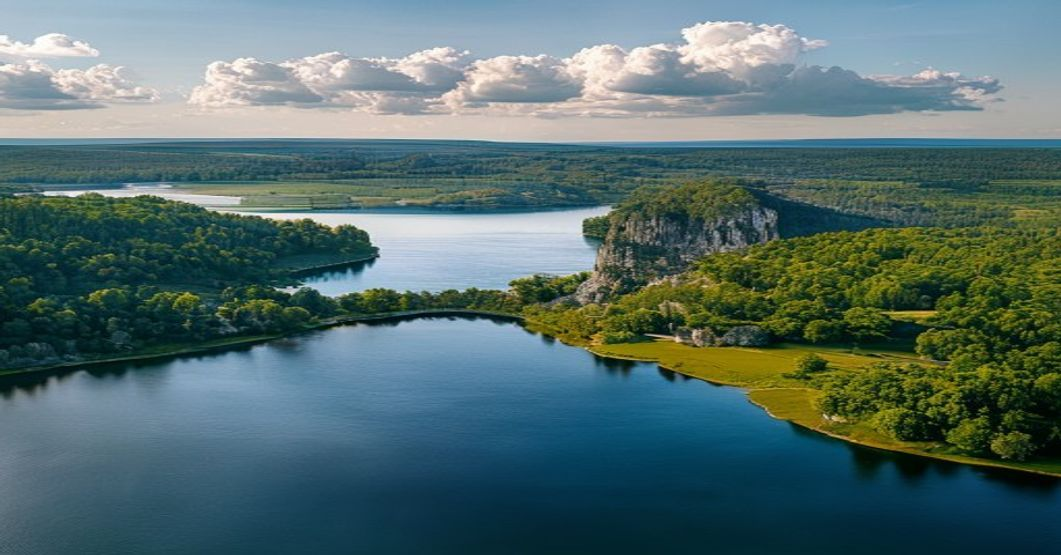
Stand on the shore at Lake Lure on a still morning, and you’d swear the water had been sitting in these mountains since the beginning of time. It hasn’t. Every bit of it is held back by a concrete dam that crews finished in 1927, and before that, there was no lake here at all — just the Rocky Broad River running down through the gorge. I’ve had buyers stand on a dock with me, look out at twenty-seven miles of shoreline, and flat refuse to believe me when I tell them the whole thing was built on purpose.
I’m Ken Williams, and I’ve been selling in this market since 1993. In 33 years, I’ve answered the same question more times than I can count: wait, the lake is man-made? It is. And the story of how it got here isn’t just trivia — it explains almost everything about why the water behaves the way it does, why some coves stay calm as glass and others don’t, and why the stretch of shoreline you’re eyeing looks the way it looks.
A Lake Built on a Gamble
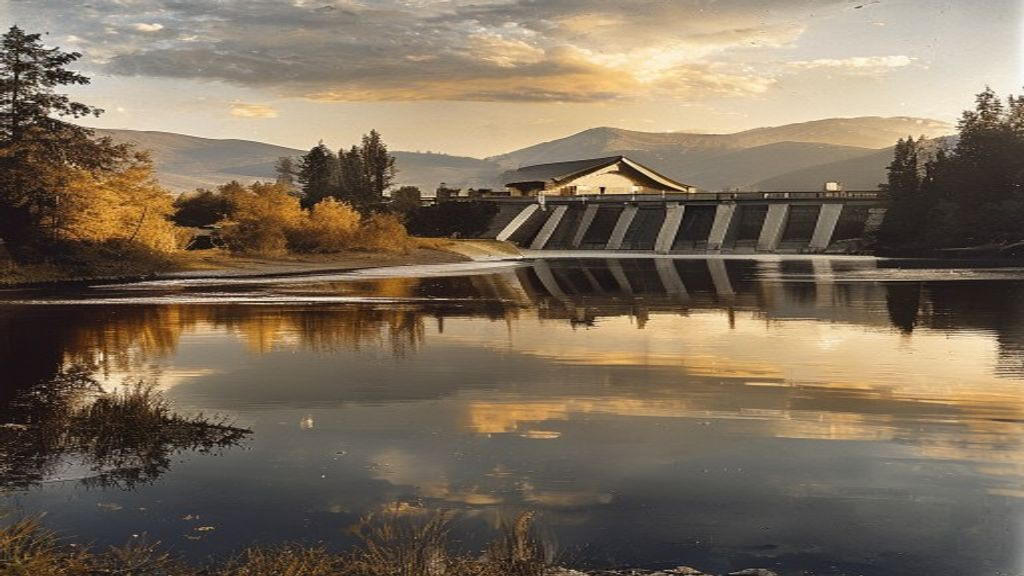
Back in the early 1900s, a doctor named Lucius Morse came through the Hickory Nut Gorge looking for dry mountain air for his health, and he saw something nobody else had. He figured if you dammed the Rocky Broad right where the gorge pinches down narrow, you could back the water up into the valleys and make a resort lake with mountains standing guard on every side. It took him years to pull the land and the money together. The dam went up, the water rose into the old river hollows, and by 1927, Lake Lure was full. The town grew up around it after that, not the other way around.
Here’s why I bring this up with every serious waterfront buyer. A natural lake fills its own basin and finds its own edges over thousands of years. Lake Lure didn’t. It flooded river valleys and old hollows, and that’s exactly why you get these long, finger-shaped coves reaching way back into the hills. Some are deep and hold water beautifully right up to the bank. Others get shallow and silty the farther back you go. Two docks half a mile apart can sit on completely different water. A non-local agent will show you something marked “lakefront” and call it a day. I’d rather have you standing on the actual spot, because on a built lake the spot is everything.
The Dam Still Runs the Show
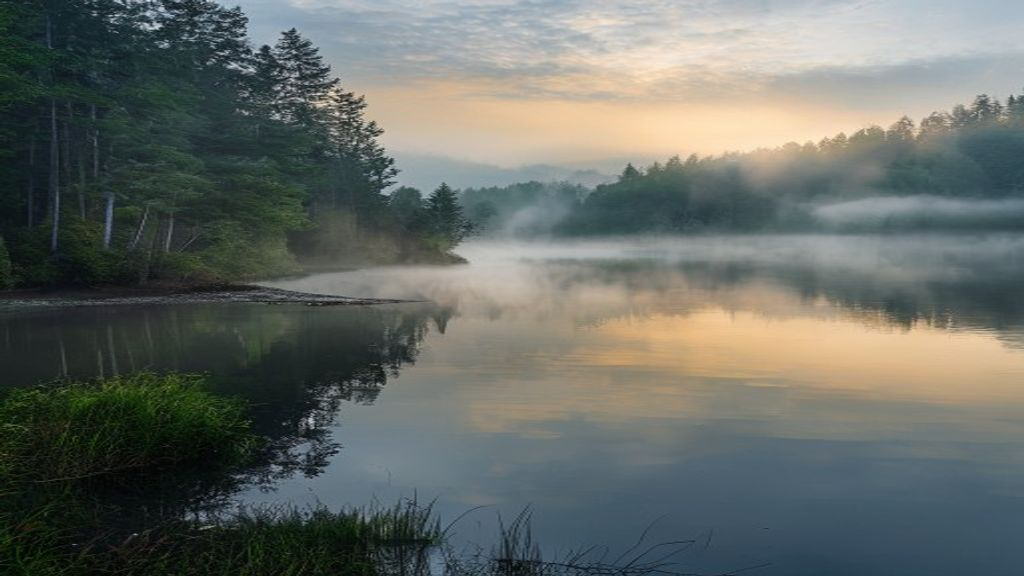
The other thing folks from out of state don’t realize is that the water level here isn’t fixed the way it is on a natural lake. The dam controls it. The lake gets drawn down a few feet in the cooler months for shoreline and dock work and to manage the system, then it’s brought back up for the season. That’s normal, and it’s been happening close to a hundred years. But if you tour a property in March with the water down, you’re not looking at the same waterline you’ll have in July. I always tell buyers to picture both before they fall for a view.
That dam earned its keep in 2024. When Helene came through and the Rocky Broad turned into something I’d never seen in all my years here, the lake system was part of why things downstream weren’t worse than they were. Recovery around the lake is real and still ongoing, and I’ll give anybody a straight account of where things actually stand — area by area, road by road. But the lake itself, the one Lucius Morse imagined back in the 1920s, is still right here doing the job it was built to do.
Read It the Way It Deserves
Once you understand that Lake Lure was designed, you quit shopping for it like it’s some happy accident of nature and start reading it the way it deserves — cove by cove, waterline by waterline. That part has never gotten old for me.
If you’ve got questions about the lake — its history, how it works, what it’s like to own here — I’ve got answers. I’ve been here long enough to know where most of the stories are buried. Reach out to me at carolinaland.com.