
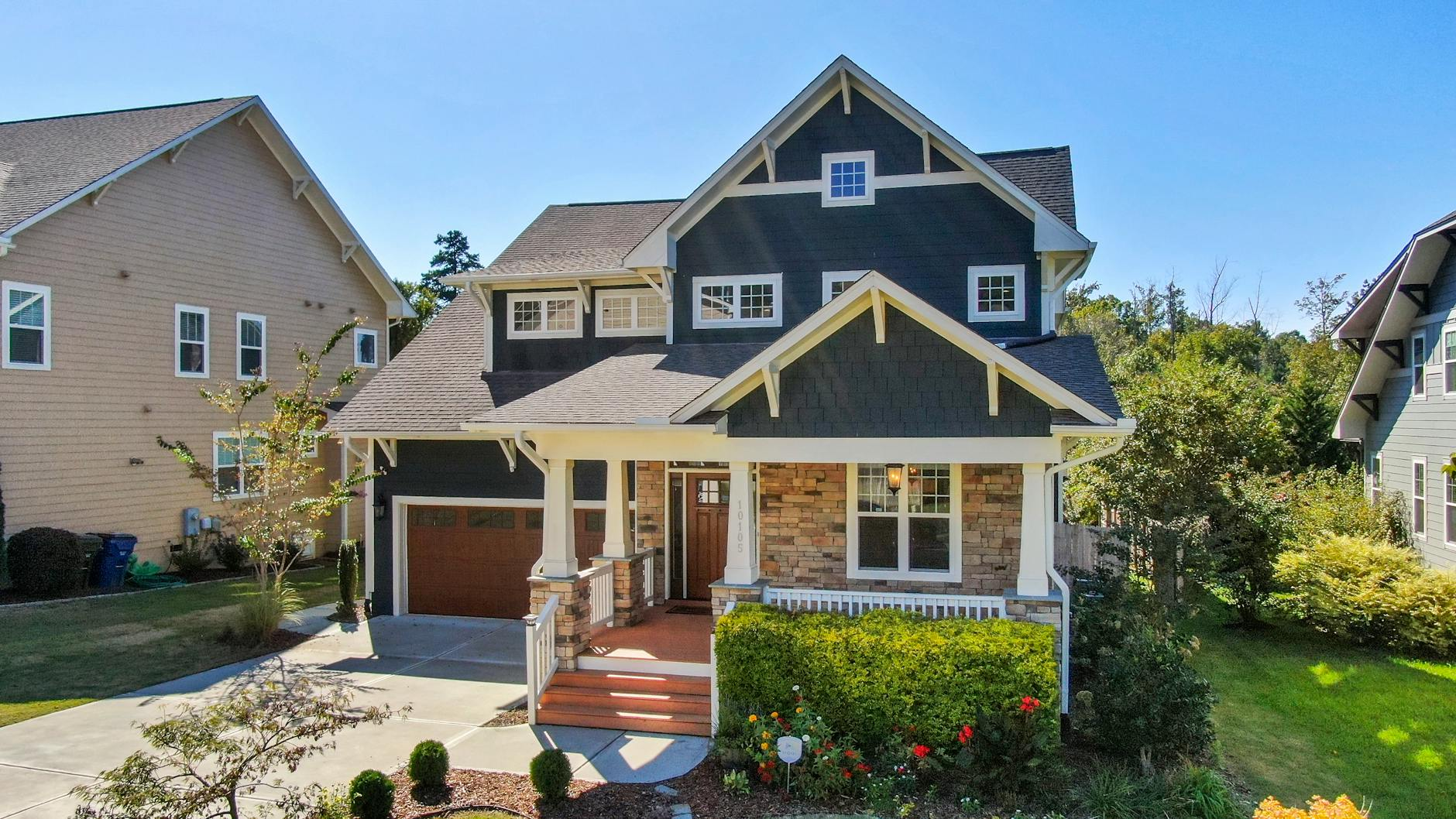
After 33 years of selling here, I can usually walk a property and make a fair guess at how long it’s going to sit. Not because I’ve got a crystal ball — just because I’ve watched the same handful of patterns repeat across three market cycles. When a listing flies or stalls, it’s hardly ever a mystery. It’s almost always one of these things, so let me walk you through them the way I would on the porch.
Light and Orientation Matter More Than Folks Think
The lake isn’t flat — it runs northwest to southeast, and where a property sits on that line decides when it gets sun and when it gets shade. A home with a southwest-facing deck catches afternoon sun right on the water, and that’s the moment buyers are picturing when they imagine themselves here. A northeast-facing place gets morning light and afternoon shade — some folks love that, plenty don’t. Neither’s wrong, but it shapes how buyers respond more than most sellers expect.

A clear sightline to Chimney Rock — no tree buffer in the way — pulls more interest than a comparable place without it, plain and simple. I watched two near-identical lakefront homes list the same month one year. The one with a direct Chimney Rock view from the deck went under contract in nine days. The other sat four months before the seller adjusted. Practly the same square footage, and the same lot size — just a different view out the window.
Road Access Is the One Buyers Don’t Know to Ask About
Folks coming from out of state usually don’t think about the road until they’re already attached to a place. So I bring it up early. Some roads around here are county-maintained and reliable in any weather. Others are private and steep, and you’ll want a capable vehicle from late fall into early spring. That’s just good information to have — it affects insurance, resale, and what daily life actually looks like, especially if you’re planning to live here full-time rather than visit in summer.

I always tell buyers the truth about access before they fall for a property, and I tell sellers the same: disclose it up front and price it in, and your listing moves. Leave it for a buyer to discover later, and you risk a contract that comes apart in the due diligence time period. Straightforward beats surprises every time.
Condition Beats Price More Often Than Sellers Expect
The most common stumble I see is pricing a place that needs work like it doesn’t, then waiting on a buyer who won’t mind. That buyer exists — but they’re investors, and they’ll come in well under list. Most folks paying lakefront prices want to close and be on the water by summer, not take on a project. If there’s a roof, an HVAC, or a dock that needs attention, it’s better to handle it before listing or reflect it honestly in the price. A place that lingers on condition only gets harder to sell, because the longer it sits, the more people wonder what’s wrong that they can’t see.
Good Photos Have Become Their Own Factor
These days, buyers make their first call from their phone in Charlotte or Atlanta before they ever drive up. A lakefront home shot on a flat gray November day, dock looking its worst, is competing against listings photographed in late summer with the lake full and the mountains green. Both might be wonderful. Only one looks it at first glance. I’ve watched buyers skip a showing over the photos and regret it later.
If you’re trying to figure out why a listing you liked is still sitting — or whether something you’re thinking about listing is priced right — it’s worth a conversation. Reach out and let’s talk it over. I’ll give you a straight read.