

The first time a buyer from Charlotte or Atlanta asks me where the city sewer line runs on a lot out past Lake Lure, I already know we’ve got some talking to do. For most homes off the main corridors — Bat Cave, the coves around the lake, a lot of the land I show — there is no city sewer. There’s a septic system in the ground, and the day you own the house, that system is yours to look after. Nobody from the city ever had to think about that. So let’s think about it together, before you fall in love with a listing.
Out Here, the System Is Yours
A septic system is simpler than folks fear and less forgiving than they hope. Everything that goes down your drains runs to a buried tank, where the solids settle out and the liquid flows on into a drainfield — a network of pipes in the soil that does the real cleaning. That’s the whole show. No monthly bill, no treatment plant, no city crew coming to fix it. When it works, you forget it’s even there. When it fails, you tend to find out at the worst possible moment, usually with a house full of weekend guests. In my 33 years of selling in this market, I’ve watched more than one second-home owner learn that the hard way.

In the Mountains, the Dirt Decides
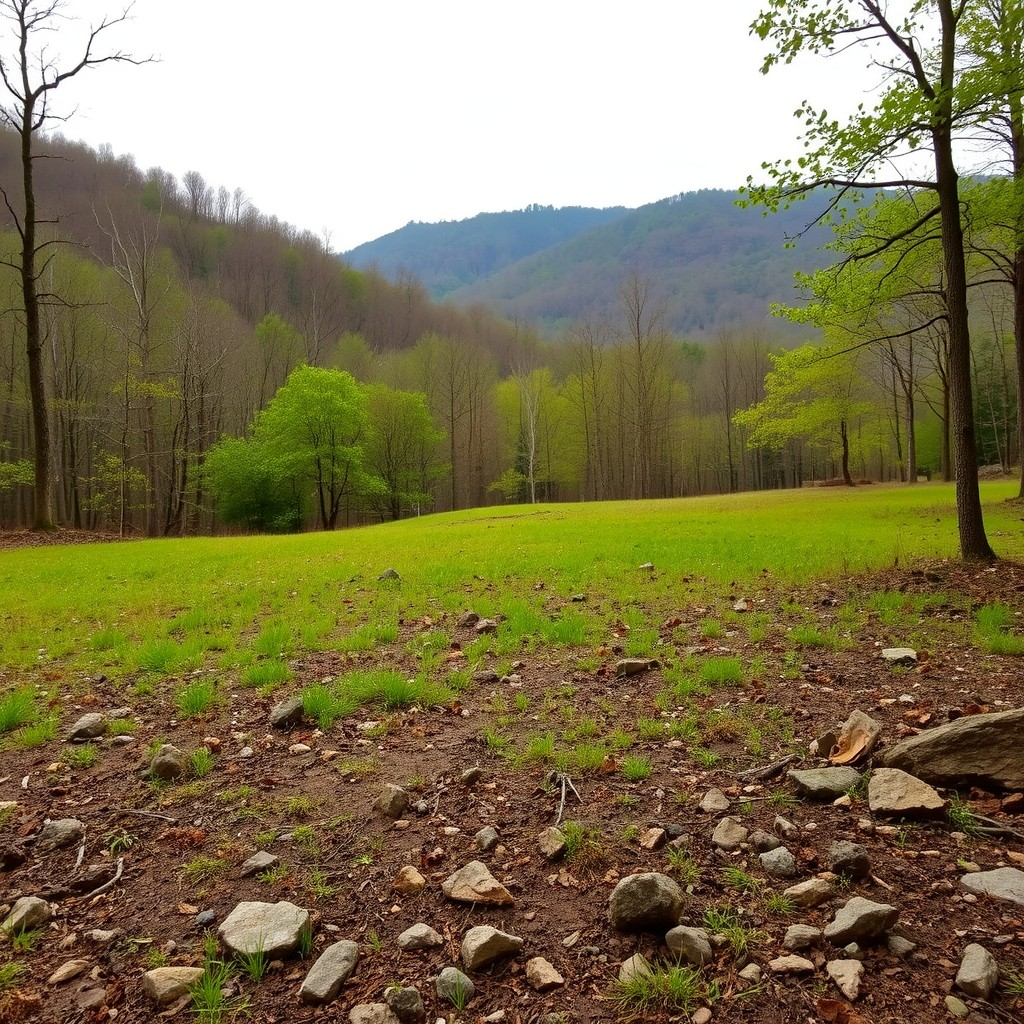
Here’s the part that catches city buyers off guard, and it’s the most important thing I’ll tell you: out here, the dirt decides what you can build. A drainfield only works if the soil under it can soak up and filter water, and our soil changes from one cove and one lot to the next. Steep lots, rocky ground, a high seasonal water table — any one of those can mean a parcel won’t pass a perc test, which is the soil evaluation the county requires before a system can go in. I’ve walked beautiful pieces of land in this market that looked perfect and wouldn’t support the septic for a three-bedroom home. That’s why, before I’ll show you raw land, I want to know what the soil says. A pretty view doesn’t mean much if you can’t put a house on it.
What to Ask Before You Ever Make an Offer
When you’re buying a home that’s already standing out here, ask for the records. There ought to be a septic permit on file with the county and an “as-built” drawing showing where the tank and drainfield sit. These documents are not always available, so get the system inspected and pumped before you close — not as a box to check, but because a failed drainfield can cost more to replace than a new roof, and it’ll drag down both your property value and your closing. A typical tank needs pumping every three to five years and an inspection every three years. If the home runs one of the newer alternative systems — and a lot of our trickier lots do, the kind with pumps and float switches — that gets looked at every year. I’d far rather you know all this going in than discover it the week after you move.
Living With It Without Losing Sleep
Day to day, a septic system is mostly common sense, with a few twists that trip up folks used to city plumbing. The drainfield is sacred ground: plant grass over it, but never park on it, pave it, or drain a hot tub or pool into it — that’s a quick way to flood and clog the whole thing. Plenty of our buyers want a hot tub on the deck, and I get it; just drain it onto the yard, well clear of the field. Go easy on the garbage disposal. Spread your laundry across the week instead of running ten loads when the family’s in town — a system sized for two people doesn’t love a full house flushing all at once. And don’t waste your money on the “miracle” additives; your tank already has the bacteria it needs. Fix a running toilet, watch what you flush, and a good system will run quietly for decades. A good rule of thumb… Pee, Poop, and Toilet Paper only. Don’t put cooking grease or oils down the kitchen sink drain. If you have a garbage disposal, use it sparingly. Put kitchen food scraps in the garbage or, better yet, compost them. There are great composting trash cans that rotate the material and give you great garden soil Additives.
Septic questions are some of the most practical ones I get, and I’m always glad to talk through them before you’re under contract. Give me a call — I’ll walk you through what to look for on any specific property you’re considering.