

I’ve had some version of this conversation hundreds of times over 33 years. A buyer flies in from Atlanta or Charlotte, falls for a listing on Friday, and by Saturday morning is asking why the price dropped six months back. The answer’s almost always one of the same four things — and not a one of them shows up in the photos. Buyers aren’t missing these because they’re not sharp; they are. It’s just that Lake Lure has a few quirks that don’t carry over from coastal or suburban markets, and most folks coming from out of state haven’t had to think about them before. That’s fine. So let me lay them out up front, the way I would for a friend.
Lake View and Lake Access Aren’t the Same Purchase
This is the one that catches the most people. A lake-view property looks out over the water and maybe through trees, and maybe only in the wintertime when the leaves are down. A lake-access property lets you get on it — dock rights, a slip, real frontage. The gap between those two on Lake Lure can run well over $200,000. Folks see the water from the deck and naturally figure they can put a boat on it. Sometimes they can. Often, it’d take an easement negotiation or a walk down to a community launch. So before you fall for a view, it’s worth asking plainly: what are the dock rights, what’s the actual frontage in linear feet, and what does the POA / HOA say about boats? I ask for those details before I ever show a place — they ought to be answered before you drive four hours to see it.
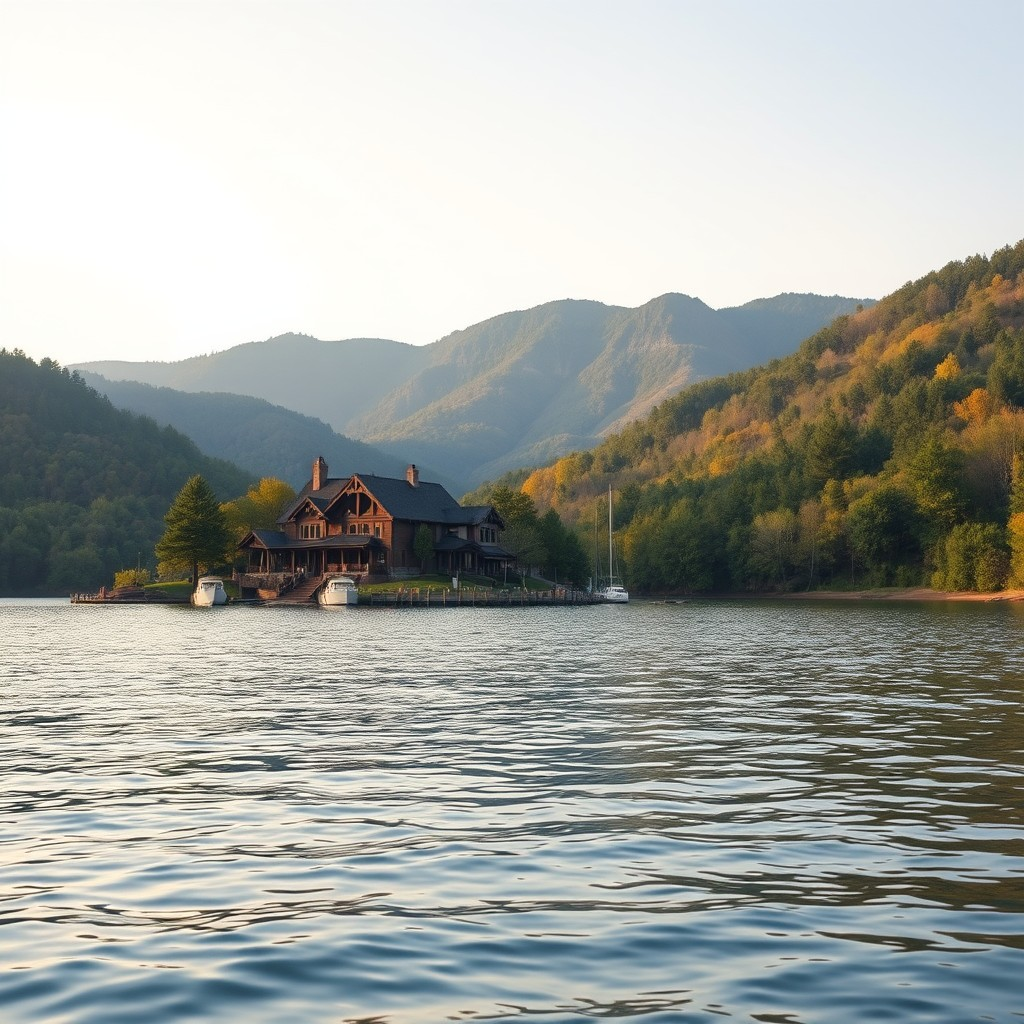
Flood Zones Are Worth Understanding on Lakefront Lots
Lake Lure was built in 1927 as a managed, dammed resort lake, and that history matters when you’re looking at flood zone designations. Some lots that sit pretty above the summer waterline are in Zone AE, which comes with flood insurance and a few lending considerations that buyers from flat-water markets aren’t used to seeing. Helene, in October 2024, made these questions ones that nobody should skip anymore. I was on the ground through the storm and the recovery, so I know which parcels took water and which didn’t — and that’s something no FEMA map shows you as plainly as somebody who watched it happen. It’s nothing to be afraid of; it’s just good to know going in.
Mountain Roads Aren’t All Year-Round Easy
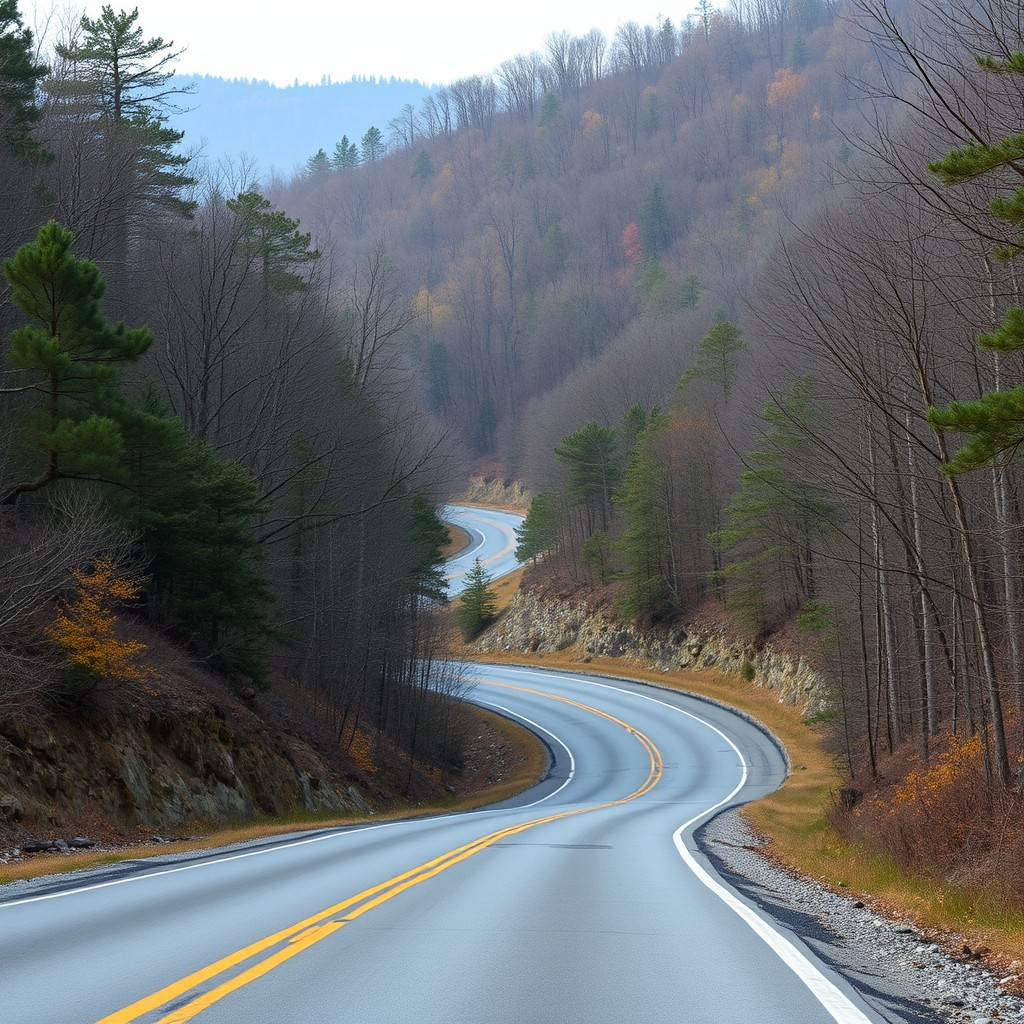
A listing will say a property has road access. What it won’t say is whether that road’s paved, whether it gets slick in winter, or whether a capable vehicle is more of a practical need than a nice-to-have. I’ve got places I genuinely love that I’ll gently steer a low-clearance-sedan buyer away from, because it just wouldn’t suit how they’d actually use it. Some roads are only gravel and become super dusty in the summer if it’s dry, leaving a ton of dust all over and inside your car. Some people don’t mind, and they wash their car a lot! If you’re here full-time or planning to come in January, the road matters in a way it simply doesn’t for a summer cabin you visit in June and leave in September.
The Market Has Three Speeds
Summer moves fast. Fall moves on curiosity. Winter moves on conviction. If you’re serious and you come up in January when you can really see the lay of the land (literally), and most out-of-state buyers have headed home, you’ll find less competition, more room to negotiate, and the full attention of everybody in the transaction. Come in July because the lake looks incredible in July — and it does — and you’ll be shopping alongside everyone who had the same fine idea. I’ve watched buyers wait for the perfect weekend and miss a place they loved. The market doesn’t wait for the perfect weekend, but it does reward folks who know what they’re looking at.
If any of this raised questions about a specific property or area you’re considering, don’t sit on them. Get in touch — I’ve answered every version of these questions, and I’ll give you a straight answer on whatever you’re trying to figure out.